IN SHORT
- Airplane ear affects nearly 10% of adults and 22% of children.
- Quick altitude changes when an airplane takes off and land seem to be the main cause.
- Generally, airplane ear is temporary.
- The symptoms include ear pain, buzzing, and a feeling as if your ear is clogged.
- Useful tips include yawning, swallowing, chewing gum, sucking candies, and using the Valsalva or Toynbee maneuvers.
Ear pain and air travel do not get along. Here are our tips and tricks for a successful vacation this summer.
Why Do I Experience Ear Pain During a Flight?
Airplane ear, or ear barotrauma, is caused by sudden changes in air pressure. It affects 10% of adults and 22% of children.[1]
When an airplane takes off and land, the rapid changes in altitude can cause a change in air pressure in your middle ear.
This can sometimes cause mild or intense pain, depending on the situation. More specifically, airplane ear is due to your eustachian tube (the passage that connects your nose to your middle ear) not being able to adjust air pressure inside your ear because of a rapid change in altitude.
The good news is that ear pain due to rapid air pressure changes during takeoff and landing is temporary. It generally eases once you are back on the ground. In some cases, the discomfort can last for some time after your arrival.
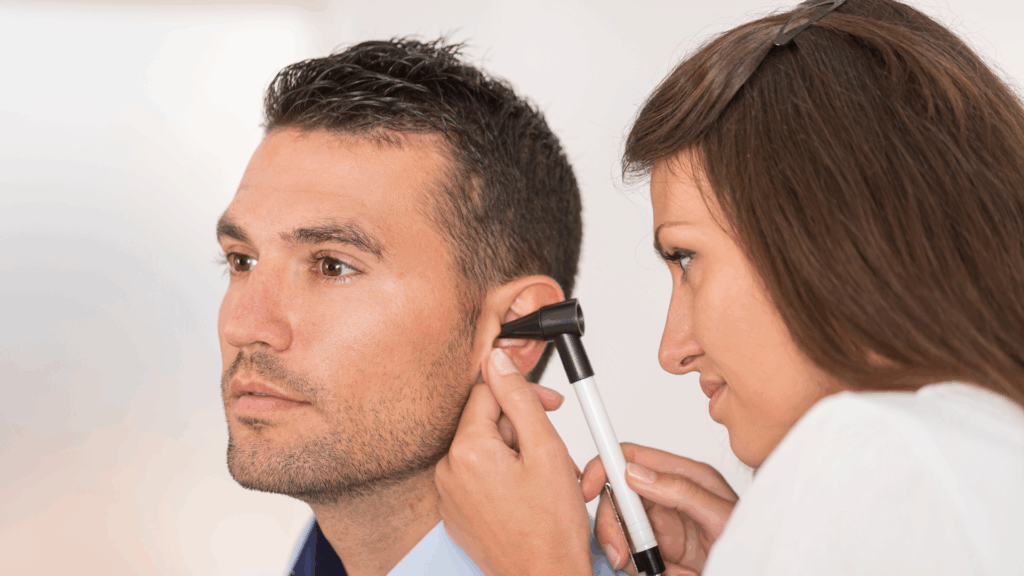
If the pain becomes intense, it is recommended to make an appointment with an ENT doctor for an assessment.
What Are the Symptoms of Airplane Ear?
Ear pain during air travel is particularly painful for children, but also for adults who have nasal congestion or a respiratory infection.
The most common symptoms include the following:
- Buzzing in your ears
- Pain in both ears
- Feeling as if your ear is clogged
- Dizziness
In rarer cases, the following may occur:
- Extreme ear pain
- Vertigo
- Tinnitus
- Hearing loss
Tips and Tricks
Are you planning to take a plane this summer and discover new destinations? Are you almost ready? Here are some tips and tricks to get rid of airplane ear:
Yawning or swallowing
By yawning or swallowing frequently during takeoff and landing, but also during your flight, you allow your eustachian tubes to open as much as possible. This helps them equalize the pressure in the middle ear.
Chewing gum or sucking candies
By chewing gum or sucking candies, you allow your eustachian tubes to remain open and do their job of adjusting the pressure inside your ears.
Avoid alcohol and caffeine
Alcohol and caffeine contribute to dehydration, which, consequently, leads to a higher risk of sinus infection and ear pain. It is recommended, therefore, to drink a lot of water. This way, you will promote swallowing and ensure the eustachian tubes remain open.
Use the Valsava maneuver
This technique, if it is used correctly, can provide good results. Here are the steps:
- Take a deep breath
- Pinch your nose and close your mouth
- Blow air as if blowing your nose
- Maintain and then relax after a few seconds
Use the Toynbee maneuver
If you are not familiar with the Valsalva maneuver, or you prefer something else, we recommend the Toynbee maneuver. All you need to do is pinch your nose and swallow. By swallowing you are allowing the eustachian tubes to open. It should provide relief.
It is recommended to use this technique every two minutes during landing. Be careful, and do not blow too hard. You do not want to harm your eardrum.
These tips and tricks are very effective most of the time.
This Summer, Vacation and Prevention Go Hand in Hand!
This summer, take care of your ENT health. Make the most of your vacation without feeling pain and discomfort.
In case of serious issues, Clinique ORL 1851 in Montreal is there for you.
To make an appointment, click here.