
IN SHORT
Swimmer’s ear develops after bathing or swimming when water in the ear canal is not evacuated properly. It is more likely to develop after being inside contaminated bodies of water or pools that are poorly maintained.
It is more common in children over two years of age, adolescents, and adults. Generally, the symptoms may include sharp pain, itchiness, and a feeling of fullness in your ear.
Some useful tips can help you prevent swimmer’s ear, such as wearing a swimming cap and/or ear plugs, and drying your ears after being in the water.
During the summer, being in the water is a popular recreational activity. However, keep in mind that water activities carry a higher risk of infection, including swimmer’s ear. In this article, we tell you everything you need to know about this ear infection, including its symptoms, how you can treat it, and what you can do prevent it.
What Is Swimmer’s Ear?
Swimmer’s ear, also called otitis externa, generally occurs when people spend a lot of time in the pool or in the lakes and rivers of Quebec.
This type of otitis is caused when contaminated water gets trapped in your ear canal (the passage that leads from the outer ear to the eardrum), hence the name otitis externa. Bacteria or fungi starts spreading inside the ear canal, leading to the infection.[1] Moisture inside the ear can also create fissures, making it easier for infectious agents to enter.[2]
Each time you go for a swim, the ear canal gets filled with water. Generally, once you’re done, the water comes out.
However, if the water doesn’t drain out entirely or if you went swimming in contaminated water, you may experience ear pain. If the pain persists, it may be a sign that your ear is infected and that you need treatment.
Children over two years of age, adolescents, and adults who spend a lot of time in the water during the summer are more likely to develop swimmer’s ear after a swim.
The Symptoms of Swimmer’s Ear
The following list includes some of the most common symptoms:
- Sharp ear pain
- Persistent itchiness
- Pain when touching the ear or when chewing food
- Redness and swelling in your ear canal
- Difficulty sleeping
- Muffled hearing, or a feeling of fullness in your ear
How Is Swimmer’s Ear Treated?
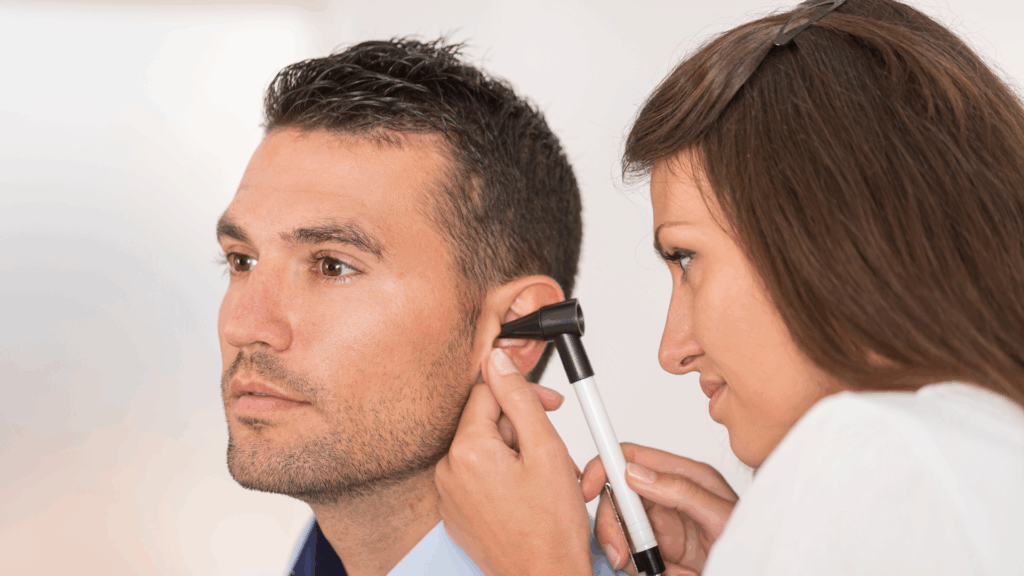
If the symptoms above start getting worse, you should make an appointment with an ENT doctor. They can prescribe the proper treatment after a physical examination.
Swimmer’s ear is often treated with eardrops containing antibiotics for 7 to 10 days. Your health professional can answer all your questions.
Moreover, to improve the effectiveness of the treatment, your ENT doctor can clean your ears to remove wax and pus, if needed. During this cleaning, your doctor will flush your ear canal with a solution.
Once the pain has stopped, it is recommended to wait between 3 and 5 days before returning to the pool or going inside a lake.
How Can I Prevent Swimmer’s Ear?
Here are some useful tips for preventing swimmer’s ear. We grouped them according to what you need to do before, during, and after swimming.
Before going into the water
- Put a few drops of oil in each of your ears if you do not have ear tubes (tympanostomy tubes).
The oil will help the water drain out and will make you feel more comfortable.
Once you are in the water
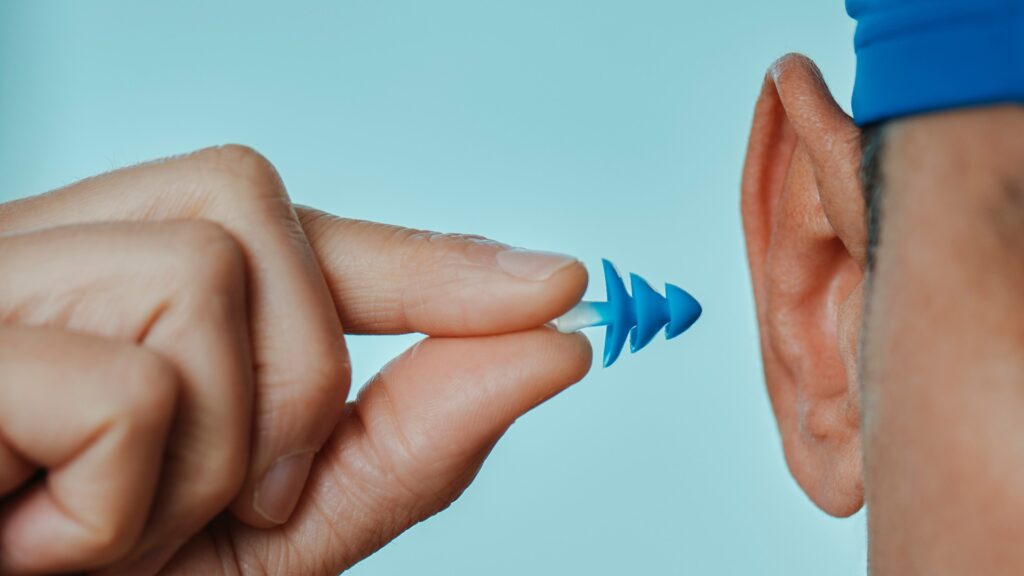
- Wear a swimming cap when you go in the water this summer
- Wear ear plugs
In both cases, your ear canal will stay dry.
After you are out of the water
- Tip your head from side to side to help drain water from your ears
- Using a clean towel, dry the inside of your outer ear (the external, visible part of your ear)
Finally, we suggest avoiding going inside a dirty pool or contaminated water.
Your ENT Clinic Wishes You a Wonderful Summer!
At Clinique ORL 1851, in the heart of Montreal, we think prevention is better than cure. However, if you need to make an appointment, we are available throughout the summer.
Make the most of our caring, dedicated team. We wish you a beautiful, healthy summer surrounded by friends and family. Take full advantage of the summer to do your favourite activities, but do them safely.
To make an appointment, click here.
[1] https://pmc.ncbi.nlm.nih.gov/articles/PMC3567907/
[2] https://www.aboutkidshealth.ca/pa/healthaz/otolaryngology/swimmers-ear-otitis-externa-pa/?language=en