

IN SHORT
There are several reasons why nasal congestion can persist even after the allergy season ends.
Allergens in your home, certain medications, and complications associated with seasonal allergic rhinitis can all contribute to nasal congestion, making it hard to identify the cause.
Don’t hesitate to consult a health professional if your symptoms include breathing difficulties and if they persist for longer than two weeks.
Seasonal Allergic Rhinitis: Causes, Symptoms, and Treatments
Seasonal allergic rhinitis, often called hay fever or seasonal allergies, is an allergic reaction due to the inhalation of pollen.
Symptoms generally include nasal congestion, sneezing, and red eyes.
There is no permanent cure for this condition, but there are several solutions to seasonal allergies that can help reduce the symptoms and improve your quality of life.
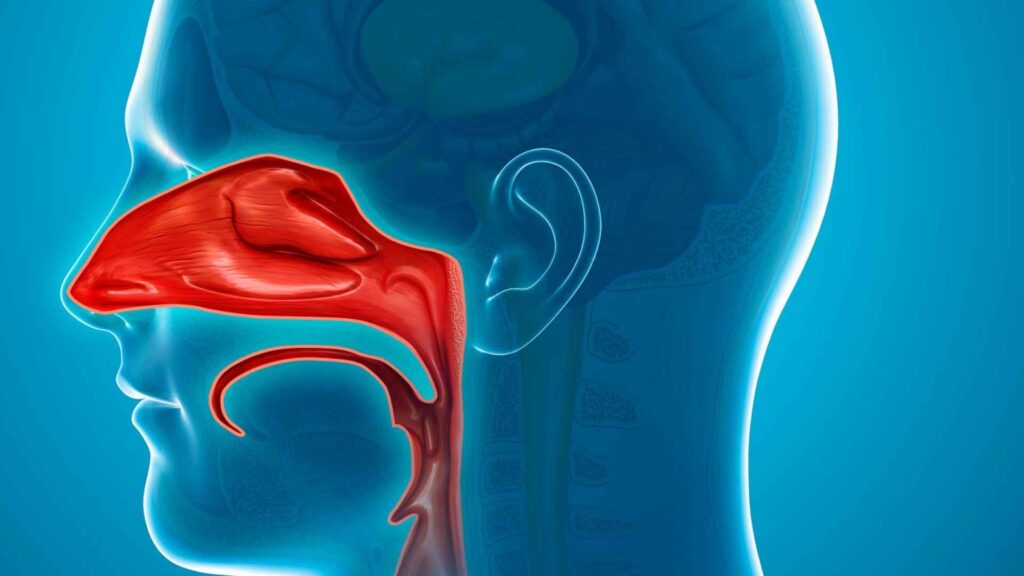
Nasal Congestion After Allergy Season: Common Causes
Normally, nasal congestion should go away once the allergy season is over, and your body stops reacting to allergens.
The main allergy seasons generally run from March to June and again from August to October. However, symptoms can vary depending on the type of pollen that causes your allergies.
If your symptoms persist beyond these periods, it may be time to explore other potential causes to finally identify the real problem.
Indoor allergens
One of the most common causes of nasal congestion after the allergy season is the presence of allergens at home.
Keeping your windows open and using a clothesline to dry your clothes are two important ways allergens enter your home.
Allergens get into your clothes and bedlinens and are still there once the allergy season is over.
If your seasonal allergic rhinitis persists, the first step is always to wash your clothes and bedlinens and vacuum your home. Using an air purifier can also help reduce allergens suspended in the air.
Rhinitis medicamentosa
Rhinitis medicamentosa is one of the lesser-known complications of seasonal allergies. It’s often a significant source of nasal congestion after the allergy season ends.
If you use decongestant sprays and drops to treat your allergy symptoms, it’s very likely that you might have rhinitis medicamentosa.
This type of nasal congestion is caused by using congestion medicine too much or for too long.
Through prolonged use, this type of medication can affect blood vessels inside your nose and cause nasal congestion.
Always make sure to follow the instructions on the medications to avoid this type of complication.
Non-allergic rhinitis
In addition to rhinitis medicamentosa, there are several other types of non-allergic rhinitis that can explain nasal congestion after the allergy season ends.
Chronic allergic rhinitis can also weaken the mucous membrane, which then becomes more sensitive to non-allergic irritants.
Therefore, if your nasal congestion persists even after deep cleaning your home and stopping your medication, it may be a good idea to make an appointment at an ENT clinic to understand the cause of the problem and learn about potential treatments.
Sinus or structural problems (e.g., sinusitis and nasal polyps)
LAllergic rhinitis can also cause acute or chronic sinusitis or even lead to long-term structural changes in your nasal passages.
Nasal polyps are another example. Seasonal rhinitis can cause chronic inflammation of the nasal passages, leading to the development of nasal polyps in some people.
Polyps are noncancerous growths on the lining of your nose or sinuses. They cause several symptoms commonly associated with rhinitis or sinusitis, such as:
- Blocked or runny nose
- Loss of smell
- Facial pressure or pain
Generally, some medications can help reduce inflammation and the symptoms associated with nasal polyps until they heal.
It’s important to note that these complications are not very common, but that they can happen, and it’s important to keep them in mind if your nasal congestion issues persist despite all the solutions you try. In this case, an appointment is often necessary and beneficial.
Symptoms to Watch for and When to Consult a Doctor
Nasal congestion is uncomfortable, but you can often let the symptoms subside by themselves without consulting a health professional.
However, you should immediately consult if you have or are developing the following symptoms:
- Significant breathing difficulties
- Swollen tongue
- High fever
It’s also better to consult if your nasal congestion problems persist for more than two weeks without a known cause.
Where Can I Find ENT Care in Montreal?
Trust our health professionals to take care of your snoring, sleep apnea, or chronic sinusitis.
Make an appointment today at Clinique ORL 1851 in Plateau Mont-Royal, in the heart of Montreal. A dedicated team will take care of your ear, nose, and throat health.